Neurodiversity Training for Hospitality Managers
Building Inclusive Learning That Solves Real Workplace Problems
The Challenge
According to the Society for Human Resource Management (SHRM) 57% of employees who rated their workplace culture as poor were actively seeking new jobs in 2024. Improving workplace culture isn’t just about morale—it’s a strategic investment that can significantly reduce turnover, absenteeism, and training costs.
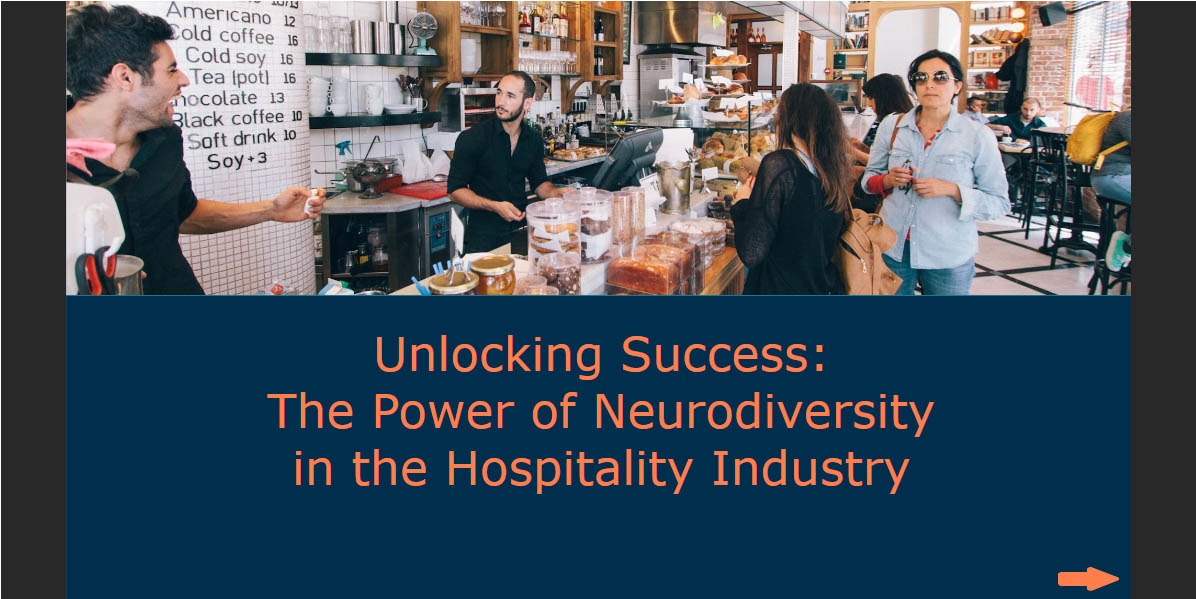
In the hospitality industry, these challenges are especially pressing. Many managers are unfamiliar with neurodiversity—the natural differences in how people think, process information, and work. Without this awareness, miscommunication and stress can lead to burnout and resignations. Yet, unlike the corporate sector, hospitality organizations have limited access to training resources that address neurodiversity and inclusion in meaningful, practical ways.
The Solution
To close this gap, I designed a 15-minute asynchronous microlearning module for hospitality managers. It delivers accessible, just-in-time learning that managers can complete during brief downtimes, making it practical and scalable across locations.
Learning Objectives
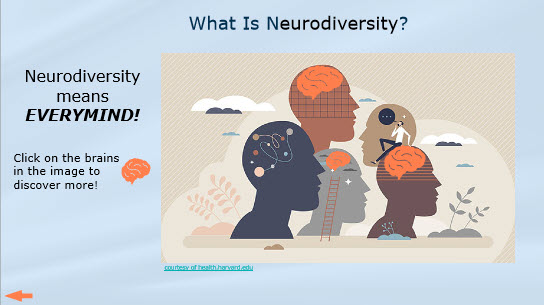
Apply key terminology and communication practices.
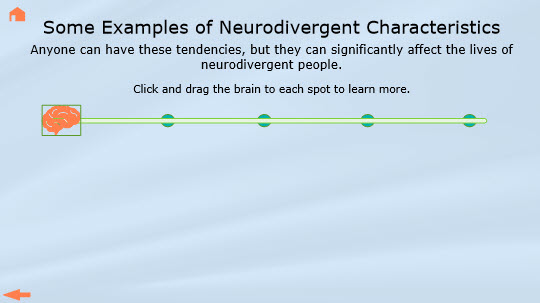
Recognize the strengths and challenges of neurodivergent employees (e.g., ADHD)
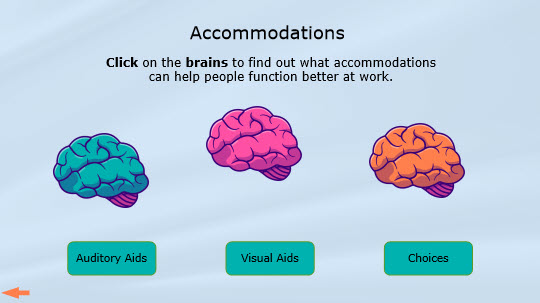
Identify and implement simple accommodations to improve retention and morale.
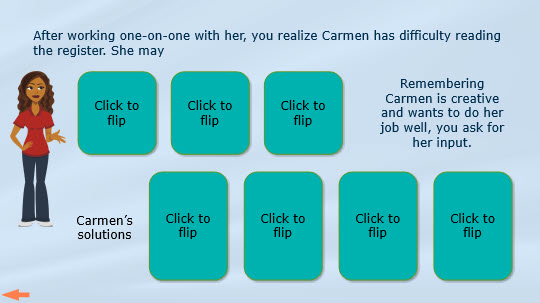
Reinforce understanding through interactive solutions.
Grounded in experiential learning theory, this module builds awareness, empathy, and communication skills that directly improve employee engagement and reduce turnover.
Assessments and On-the-Job Support.
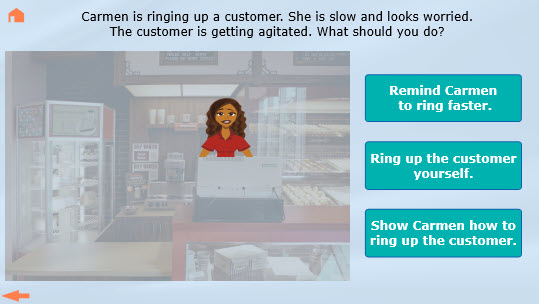
Reinforce understanding through interactive scenarios.
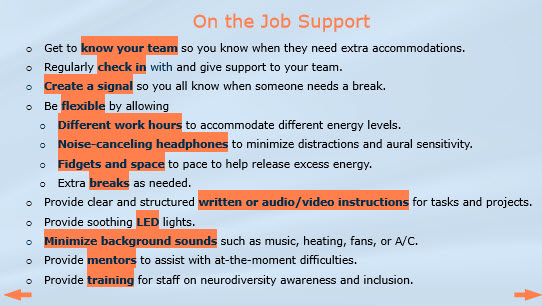
Use a printable job aid for on-the-job reference.
My Design Approach
Built in Articulate Storyline 360, the module emphasizes:
This design reflects a learner-centered, data-informed approach that fits the demands of busy frontline managers while aligning with organizational goals for retention and inclusion.
Research and Design Process
To ensure the training met real industry needs, I began by researching the daily realities of restaurant and café staff, including waitstaff, managers, and owners. Through personal interviews, I explored their awareness and needs around neurodiversity. Sample questions included:
These interviews revealed limited exposure to neurodiversity concepts and highlighted the need for concise, flexible, and accessible training that fits into the demanding schedules of hospitality professionals.
Using the ADDIE model, I iterated on the design multiple times—refining the content as I gathered insights from both industry professionals and academic research. I was intentional in creating diverse, representative characters to model inclusivity throughout the course.
For feedback and validation, I distributed a beta version of the module along with a Qualtrics survey, featuring both Likert-scale and open-ended questions. Subject matter experts (SMEs) and instructional design experts (IDEs) provided detailed feedback on the training’s content, tone, and usability. Survey items covered demographics, favorite and least favorite aspects of the course, and suggestions for improvement.
While university timelines limited the number of revisions I could complete, I incorporated the most critical feedback to strengthen clarity, accessibility, and engagement—laying the groundwork for future enhancements.
Target Audience
Future Enhancements
Planned updates include: